
How to Choose the Right Electrical Panel for Your Home
What Is an Electrical Panel and What Does It Do?
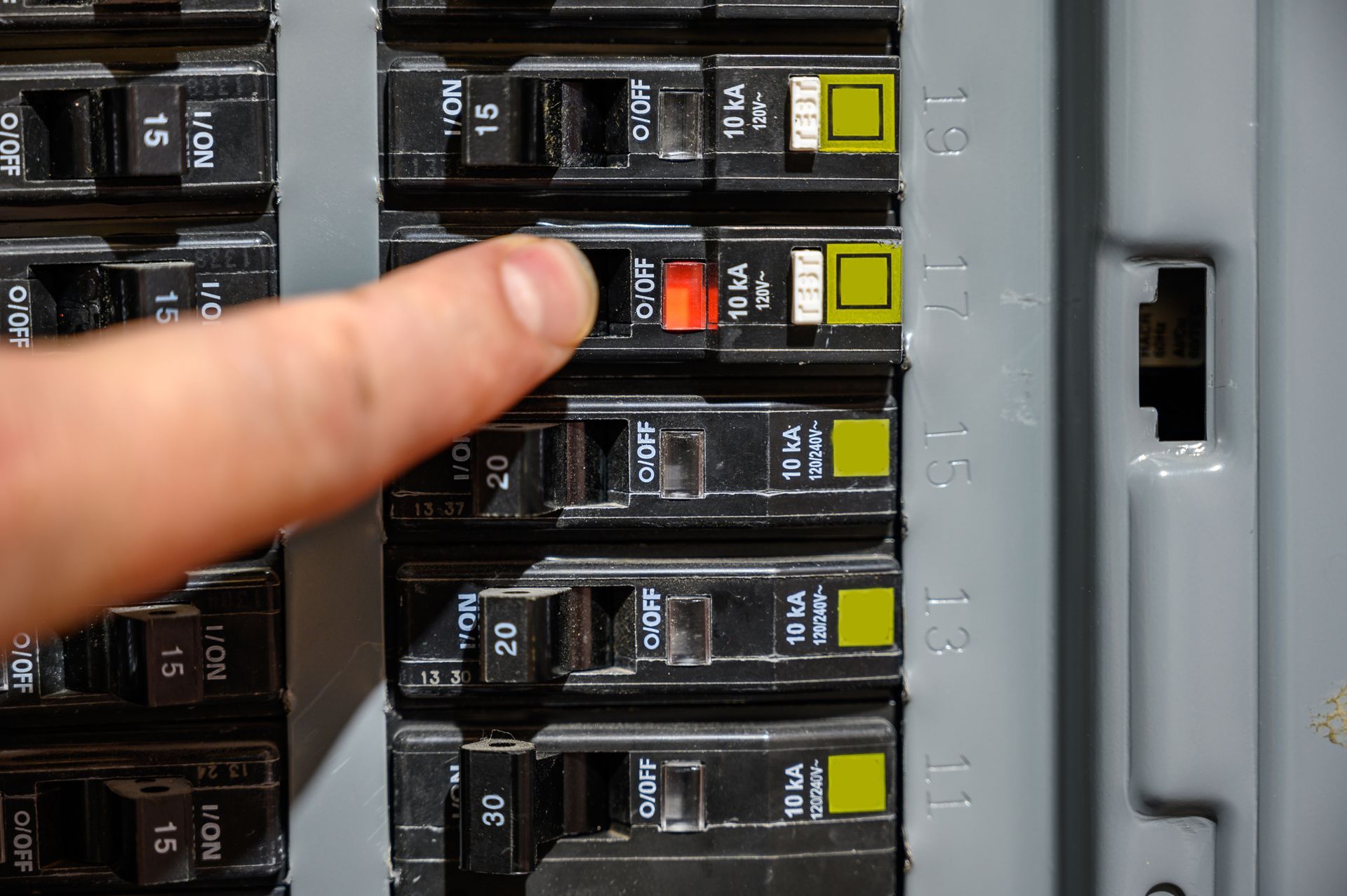
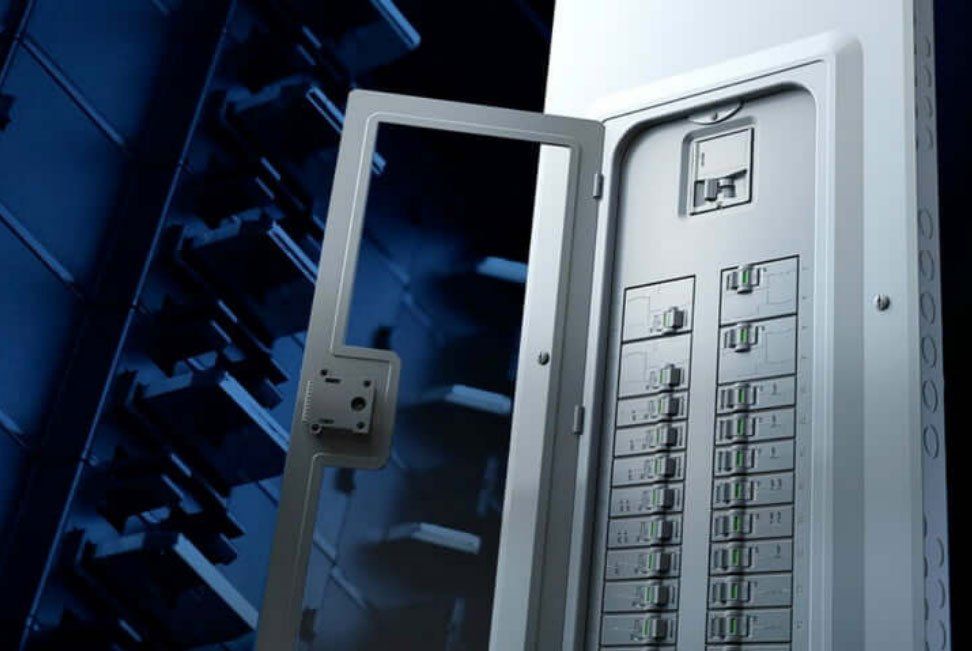
A residential electrical panel—often called a breaker box—is the central hub that distributes electricity throughout your home. Power from the utility company enters the panel and is routed through individual circuits that supply energy to lights, outlets, appliances, and other electrical systems. Inside the panel are circuit breakers, a main disconnect, and wiring connections that manage and control the home’s electrical load. Each breaker is designed to shut off automatically if a circuit becomes overloaded or experiences a short, helping prevent overheating, electrical fires, and other hazards. By monitoring and regulating the electrical load, the electrical panel plays a critical role in keeping your home’s power system safe, reliable, and efficient.
Signs You May Need a New Electrical Panel
- Frequent breaker trips
- Lights flickering or dimming
- Panel is warm or making noise
- Home renovation or adding major appliances
- Existing panel is outdated (under 100 amps or 20+ years old)
Key Factors to Consider When Choosing a Panel
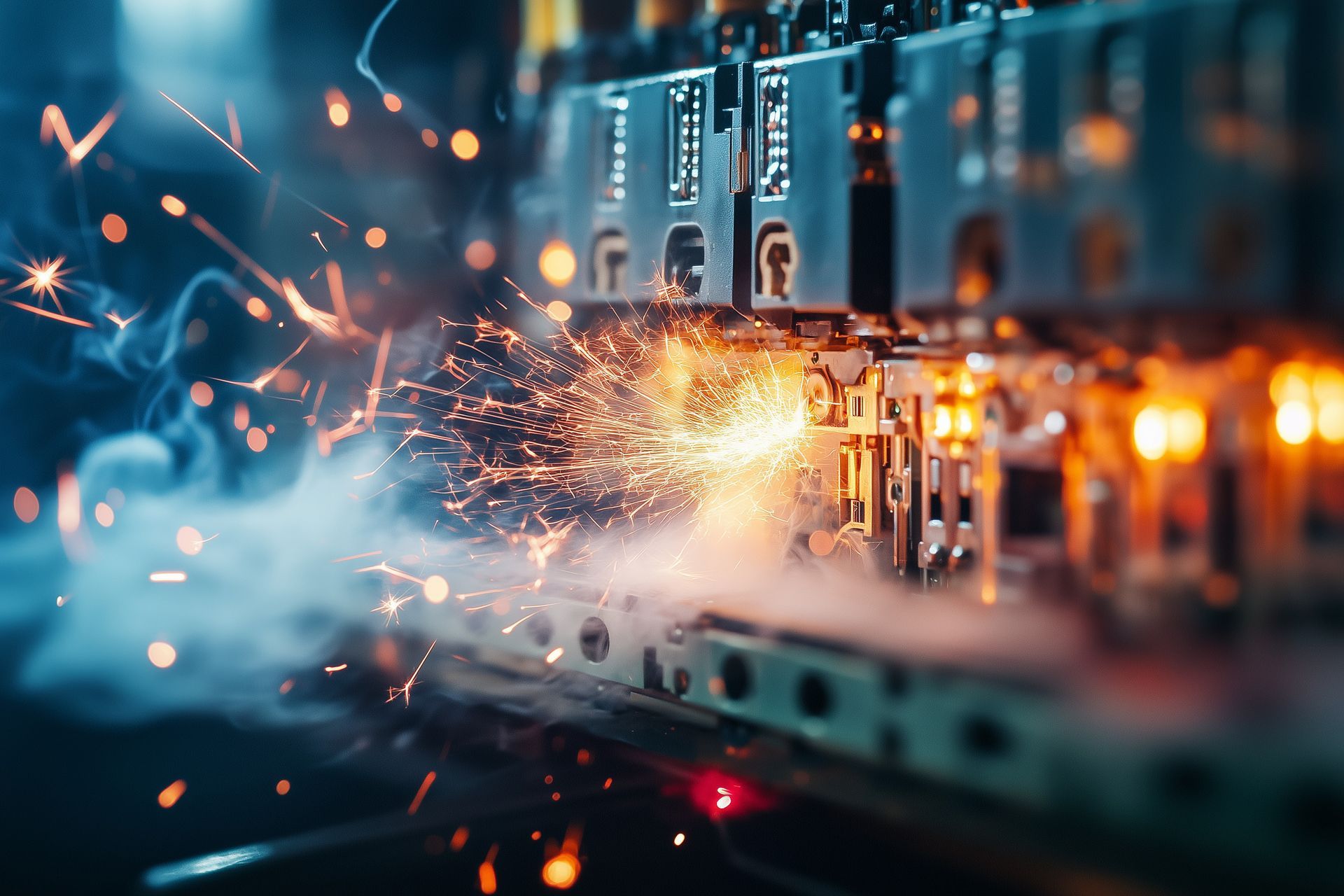
When deciding between upgrading an electrical panel or opting for a breaker box replacement, it’s important to understand the condition and capacity of your existing system. In some cases, an upgrade—such as adding new circuits—can be sufficient, especially if the panel is relatively modern and simply needs to support additional electrical demand. However, a full replacement becomes necessary when panels are old, outdated, or deemed unsafe, as they may no longer meet current codes or safely handle today’s power needs. Continuing to push an outdated panel beyond its capacity can be dangerous, increasing the risk of overheating, frequent breaker trips, electrical failures, and even fire hazards.
A. Electrical Load & Amperage Needs
Electrical load refers to the total amount of power your home requires to operate appliances, lighting, HVAC systems, and electronics safely and efficiently. A professional load calculation helps determine whether a 100 amp vs 200 amp panel (or even a 150 amp option) is appropriate. While older or smaller homes may function on 100 amps, many modern households benefit from a 200 amp panel—especially if you plan to add high-demand upgrades like EV chargers, home additions, or smart home technology. Future-proofing your panel now can help avoid costly upgrades later.
B. Panel Size and Space Requirements
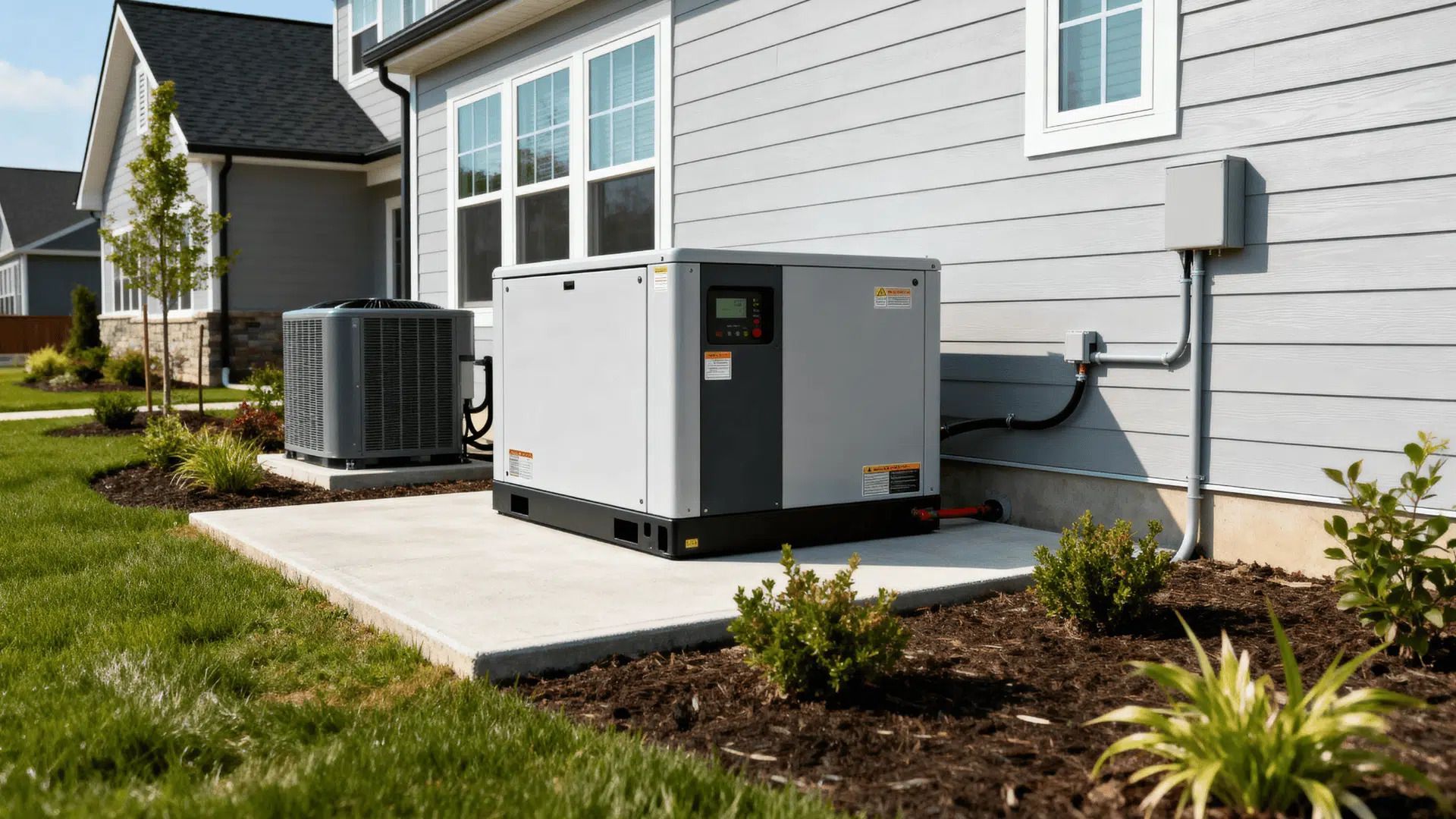
Beyond capacity, panel size and available space also play a key role. The physical location must meet clearance requirements and allow enough room for installation and maintenance. Just as important is the number of circuit slots available—insufficient space can limit future expansion. Larger homes or properties with detached garages, workshops, or guest houses often benefit from subpanels to distribute power more efficiently without overloading the main panel.
C. Safety Features & Code Compliance
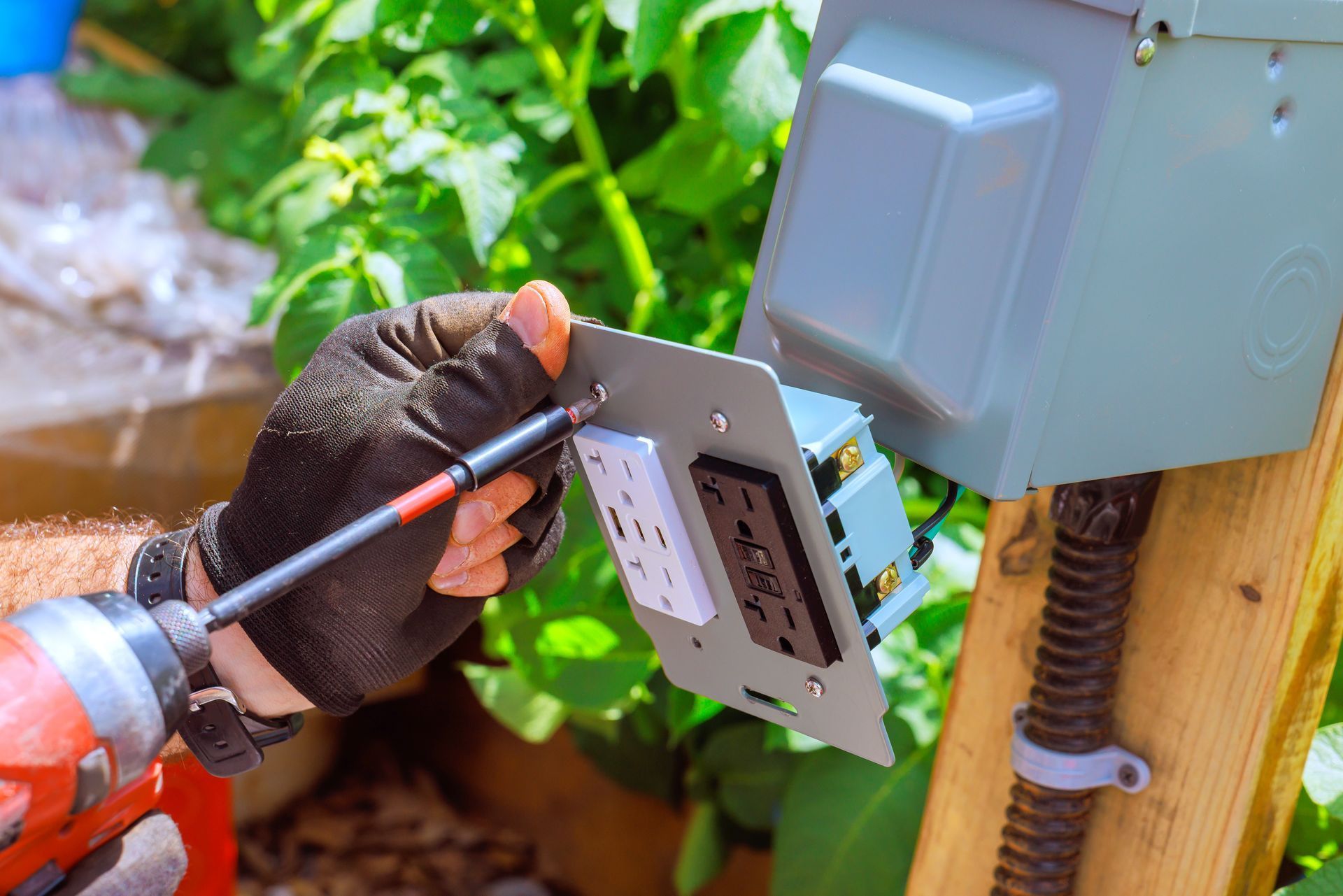
Safety and compliance should never be overlooked. Modern panels must support AFCI and GFCI protection, which reduce the risk of electrical fires and shock hazards. Adding whole-home surge protection can further safeguard sensitive electronics from power spikes. It’s also essential that the panel meets local code requirements in Weatherford and Parker County, which can vary based on home age and system upgrades. Finally, consider brand and warranty quality.
D. Brand and Warranty Considerations
Trusted manufacturers like Square D, Eaton, and Siemens are known for reliability, strong warranties, and long-term serviceability—factors that contribute to both safety and peace of mind for years to come.
Why It’s Important to Work with a Licensed Electrician
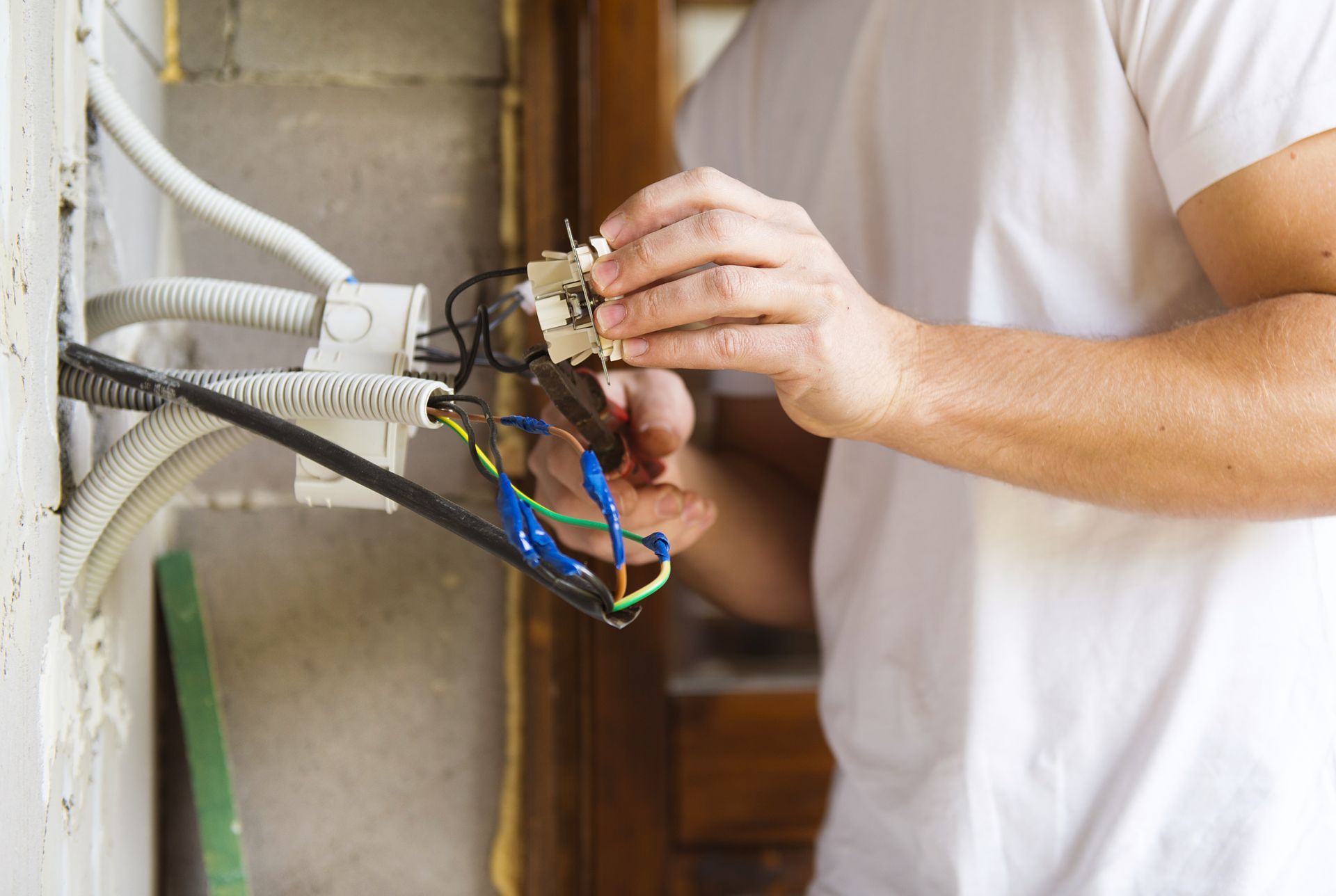
Working with a licensed electrician is essential when installing or selecting an electrical panel because the risks of doing it yourself can be serious and costly. DIY panel installation or choosing the wrong panel can lead to electrical fires, shock hazards, overloaded circuits, or long-term damage to your home’s electrical system. A licensed professional understands local building codes and permitting requirements, ensuring the work is compliant, inspected, and safe—something homeowners often overlook. In addition, an experienced electrician can accurately calculate your home’s electrical load and recommend the correct panel size and configuration to support current needs and future upgrades, giving you peace of mind and a reliable electrical system.
Purefoy Electric brings extensive experience in panel upgrades and electrical panel installations, delivering reliable solutions tailored to both modern systems and older homes. With a strong understanding of local codes, permitting requirements, and the unique challenges posed by aging electrical infrastructure, their team prioritizes safety and long-term performance on every project. Proudly serving Weatherford and surrounding areas, Purefoy Electric provides dependable, code-compliant electrical services designed to meet the needs of the local community.
Ready to Upgrade Your Electrical Panel? Contact Us Today!
Purefoy Electric is Weatherford’s trusted expert for safe, efficient, and code-compliant electrical panel upgrades. Whether you’re renovating, expanding, or replacing an outdated breaker box, we’ll help you choose the right panel for your home.